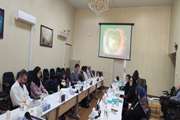
Workshop on ’Using Regenerative Medicine Techniques for Limbal Regeneration
Using Reconstructive Medicine Techniques in Limbus Reconstruction
The theoretical workshop on 'Using Regenerative Medicine Techniques for Limbal Regeneration' was held on May 8, 2025, by the Translational
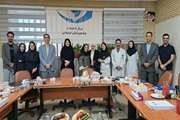
Thesis Defense Session Dr Zahra Elkanani
Evaluation of Changes in the Corneal Subbasal Neural Network and Corneal Epithelial Layer in Patients with Photophobia
The defense session of the doctoral dissertation of Ms Zahra Elkanani, an international doctoral student at the Translational Ophthalmology Research Center, Tehran University of Medical Sciences, was held on May 7th, in the presence of members of the jury, supervisors and advisors, and a group of researchers in this field
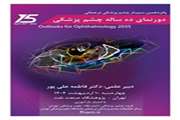
The 15th Translational Ophthalmology Seminar Focusing on the 10-Year Outlook of Ophthalmology
"The 15th Translational Ophthalmology Seminar Focusing on the 10-Year Outlook of Ophthalmology" Date: Wednesday, April 30, 2025 Venue: Tehran - Oil Industry Research Institute Registration via: - Farabi Seminar website: fham.ir - Iran Continuing Medical Education System: ircme.ir
 (2).jpg)
Workshop on the Theory of the Use of Reconstructive Medicine Techniques in Limbus Reconstruction
Target Groups: Ophthalmology Specialists (Corneal Fellowship), Molecular Medicine Specialists, Applied Cell Science Specialists, Tissue Engineering Specialists Additional information will be announced later
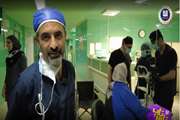
Successful Corneal Sensory Nerve Graft (Corneal Neurotization) Performed for the First Time in Iran at Farabi Hospital
With the collaboration of a team of ophthalmologists and neurosurgeons from Tehran and Guilan University of Medical Sciences, the first-ever corneal sensory nerve graft (Corneal Neurotization) surgery in Iran was successfully performed at Farabi Hospital.
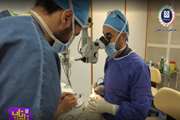
Corneal Stem Cell Transplantation and Limbal Reconstruction Performed for the First Time in the World by Specialists
With the efforts of the ophthalmology group and the Translational Ophthalmology Research Center of Tehran University of Medical Sciences, corneal stem cell transplantation and limbal reconstruction were performed for the first time in the world at Farabi Hospital.
Post-Certification Trachoma Control Care Program in Iran
In 2018, Iran received trachoma elimination certification, and a post-certification care program was developed based on WHO recommendations to be reported over three years.
Design and pilot implementation of an Eye Health House in remote and underdeveloped areas of Iran
This research aims to address the lack of access to eye care in remote and underdeveloped areas of Iran by designing and piloting an Eye Health House model. Due to high rates of visual impairments and a shortage of specialized ophthalmic professionals, the study proposes a sustainable solution: training local healthcare workers (such as Behvarz and health monitoring experts) to serve as assistant ophthalmic care providers. These trained personnel will deliver essential eye care services through telemedicine, reducing reliance on temporary mobile medical teams and ensuring long-term access to specialized ophthalmic care, especially for vulnerable populations like children and the elderly.
Development of a Self-Management Tool for Choosing the Mode of Delivery in Women with Eye Diseases Based on Evidence and Consensus of Iranian Ophthalmologists
This study aims to develop a self-management tool to help pregnant women with eye diseases make informed decisions about their mode of delivery. Since no definitive evidence currently guides delivery choices for these conditions, the tool will provide evidence-based support to empower patients in making personalized decisions regarding childbirth interventions.
Localization of Isolation and Storage of Cells from Human Hair Follicle Bulge for Preparing a Cell Suspension in the Treatment of Acute Burn Injuries of the Anterior Eye Surface
This research focuses on the use of regenerative sciences in cell therapy for treating various conditions such as neurological injuries, chemical burns, and corneal damage. It explores the potential of skin and hair follicle cells, due to their ectodermal origin and high differentiation ability, for use in cell suspensions to treat acute and chronic corneal injuries. The study aims to extract, cultivate, and preserve cells from hair follicle bulges, with the goal of developing new, life-saving treatments, including limbal stem cell therapy for vision restoration.
_1_crop.png)